


Electrophysiological examinations
Cutting-edge technologies in electrophysiological studies of the eye
Electrophysiological examinations are used for the following pathologies:
- To diagnose early stage glaucoma
- Cataract (to evaluate postoperative prognosis)
- Optic nerve atrophy
- Optic neuritis
- Optic and toxic neuropathy
- Congenital and acquired dystrophies of the retina
- Diabetic angioretinopathy
- Age-related macular degeneration
- Uveitis
- Globe injury
- Multiple sclerosis (early diagnosis and screening)
- Idiopathic intracranial hypertension
- Tumor lesion and trauma of brain as well as other neurological injuries
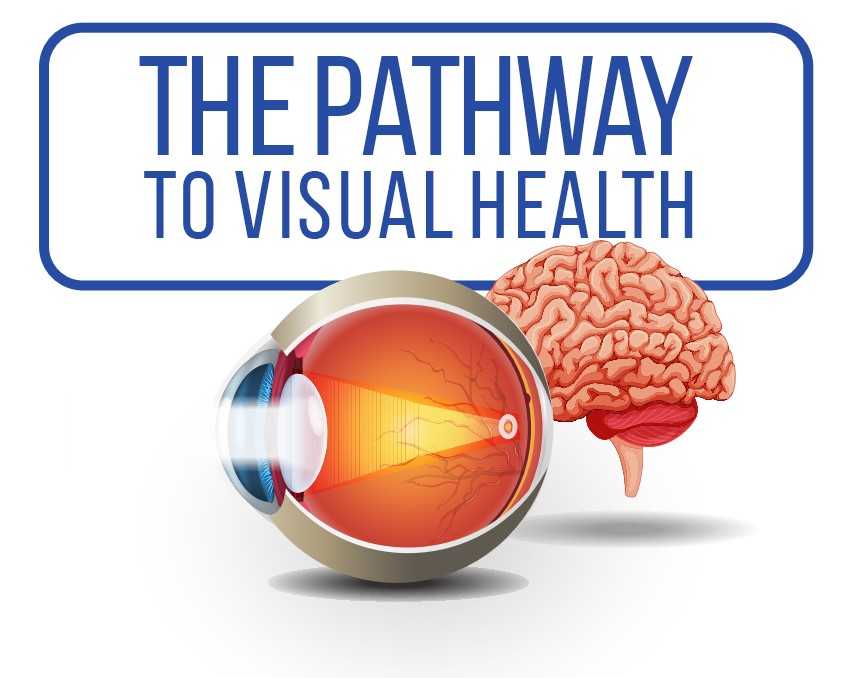
Diopsys is a world leader in electrophysiological diagnostics
- Ful diagnostics of the vision system functions
- Diagnosis at an early stage of the disease, when only function is impaired without organic changes
- Proper treatment planning
- Monitoring of disease dynamics
- Non-invasive
- Painless
- Safe

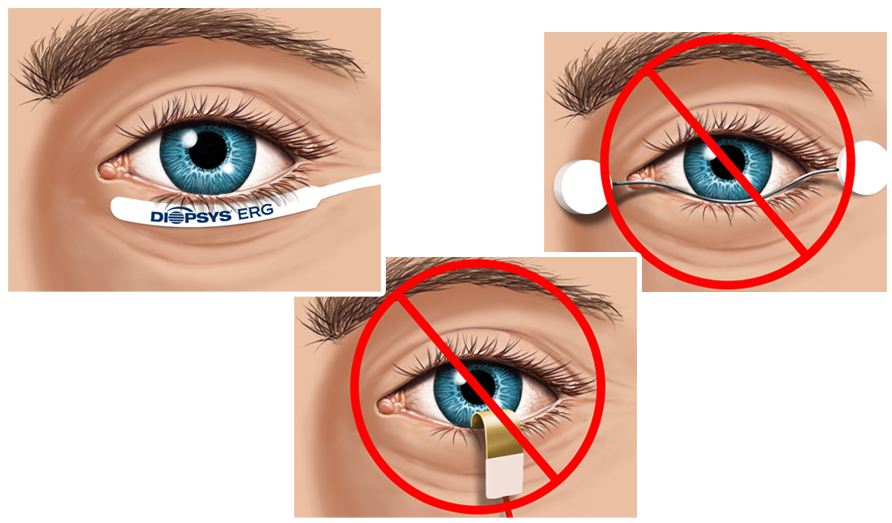
- Electrical impulses are recorded through electrodes applied to the skin.
- It is advisable to keep your skin clean and dry on the day of the examination.
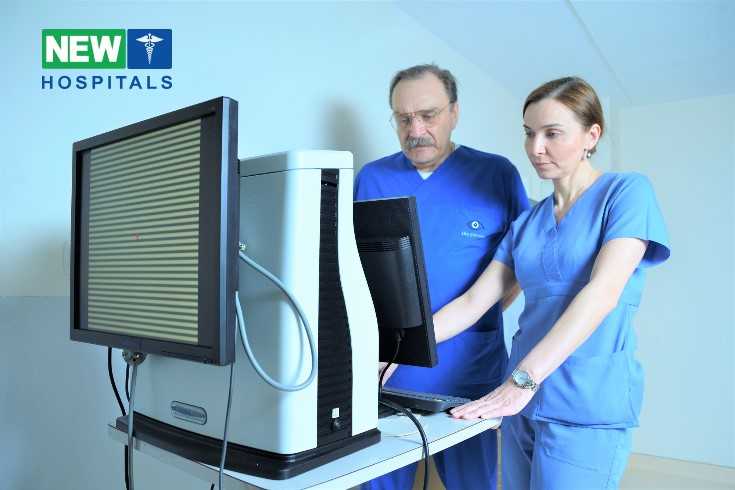
It is a complex of highly informative electrophysiological studies of the eye that determines the functional capabilities of the retina, optic nerve, visual tract and the visual center of the cerebral cortex.
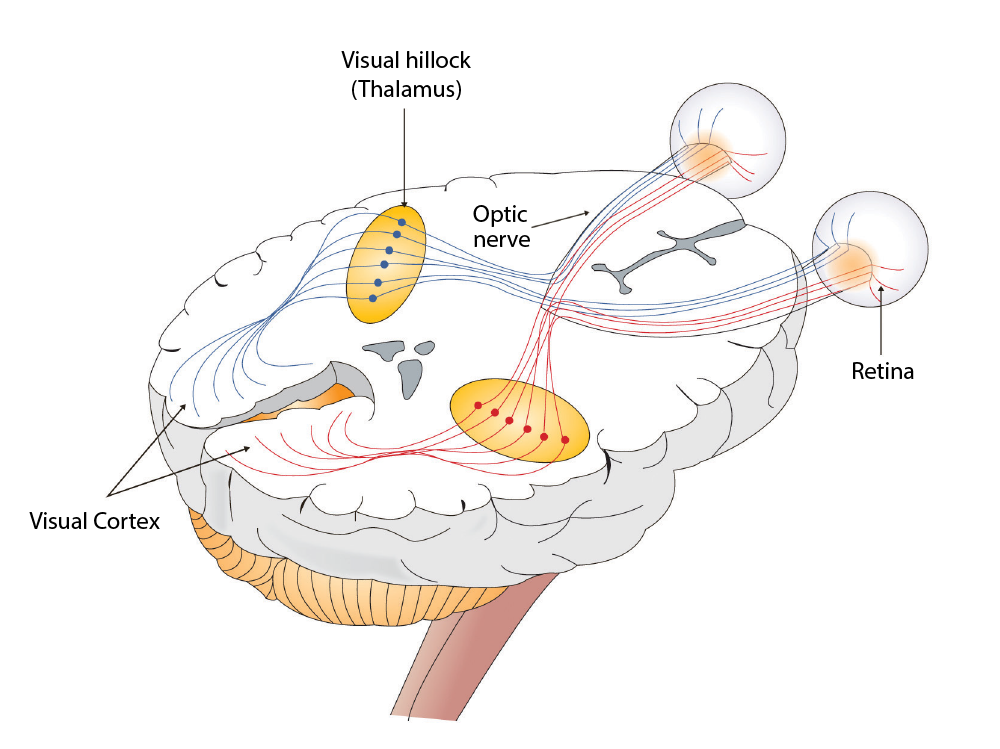
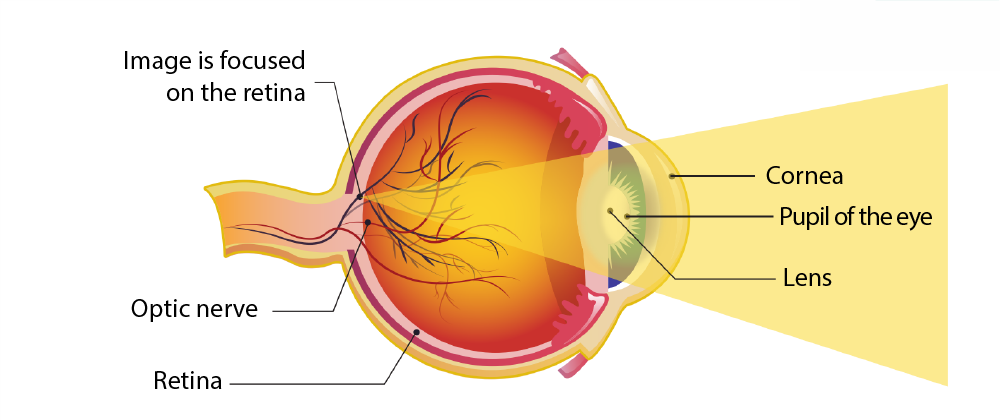
The light, upon entering the eye, is transformed on the retina into electric impulses, which, passing the optic nerve and vision tract, extend to the central vision analyzer - the cortex.
Diopsys visually evoked potentials test measures the speed and power of the electrical impulses and, consequently, the electrical activity of the entire vision system - from the retina to the cortex, thus enabling us to determine how sound is the connection between the eyes and the brain, which changes in case of any pathology of the visual tract.
Electroretinography is used to objectively determine the functional state of the retina.
The light, upon entering the eye, is transformed into electrical impulses by the retinal membrane cells. Electroretinography allows us to determine the grade of the electrical transformation response of the retinal membrane cells, which helps us to diagnose and treat many diseases, which develop with vision impairment.
Please, contact the National Center of Ophthalmology for ophthalmologist’s consultation and research: +995 (32) 2 190 190


